


At the Institute for Global Nutrition, we emphasize integration of nutrition interventions within multi-sectoral approaches, recognizing that key outcomes are shaped by interconnected factors across health, infection control, agriculture, water and sanitation, education, and social protection. Our research demonstrates how infections and poor sanitation impair nutrient absorption and utilization, how agricultural systems influence food availability, diversity, and affordability, and how health systems are critical platforms for delivering nutrition interventions across the life course. By linking nutrition with disease prevention, resilient food systems, and equitable access to health services, our research supports coordinated strategies that address the underlying and immediate determinants of malnutrition. This integrated, systems-based approach strengthens the effectiveness and sustainability of interventions and is essential for reducing all forms of malnutrition worldwide.

Multi-Omics for Mothers and Infants (MOMI) Consortium
The Multi-Omics for Mothers and Infants (MOMI) Consortium is a global research initiative focused on understanding the biological mechanisms underlying adverse pregnancy outcomes (APOs), including preterm birth, pre-eclampsia, and stillbirth.

iLiNS DYAD Ghana 10 year Follow Up Study
The iLiNS DYAD Ghana 10 year Follow Up Study assesses the long-term impact of supplementation with a fortified food during most of the first 1000 days, from early pregnancy through 18 months of age.

End-to-End Solutions for Increasing Intake of Perishable Nutrient-Rich Foods
The CGIAR Research Initiative on Fruit and Vegetables for Sustainable Healthy Diets (FRESH), now under the CGIAR Science Program on Better Diets and Nutrition (BDN), developed an end-to-end approach to increase fruit and vegetable intake by addressing barriers across the food system.
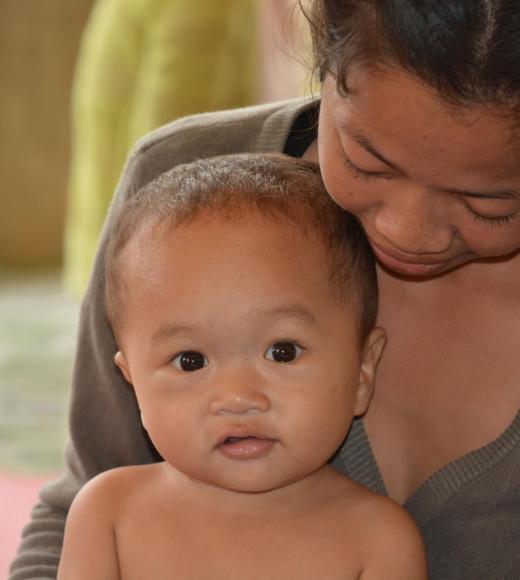
Lao Thiamine Study
The Lao Thiamine Study is working to establish a case definition of thiamine responsive disorders (TRD) among infants in Lao PDR.