


Meet the Alumni: Cesaire T. Ouedraogo
Class of 2019
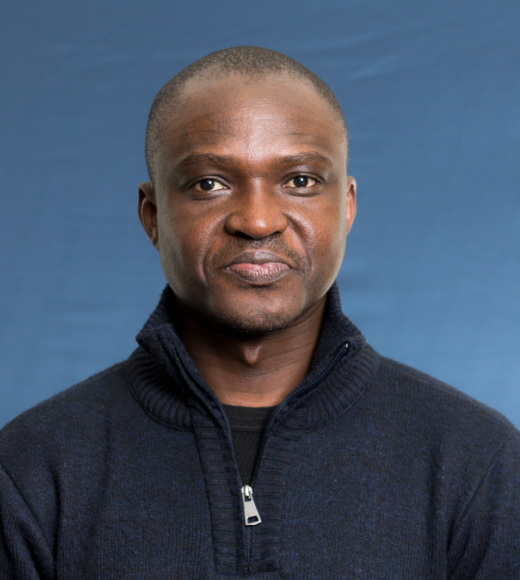
Cesaire T. Ouedraogo, PhD
Year of graduation from UC Davis: 2019
Current position: Regional Nutrition Advisor for Africa, Helen Keller Intl.
The program experience prepared me for my career by combining a rigorous interdisciplinary curriculum with meaningful collaboration with inspiring faculty. These interactions not only strengthened my technical and analytical skills but also shaped my passion for designing evidence-based interventions that make a real difference in the lives of vulnerable populations.
Describe your focus area in the field of Global Nutrition or Global Health
My work focuses on maternal and child nutrition. I am particularly interested in nutritional epidemiology, community-based management of acute malnutrition (CMAM) programming, optimal infant and young child feeding practices, and maternal nutrition and health-seeking behaviors and micronutrient deficiencies.
How did you become interested in your field?
My interest in Global Nutrition emerged from a deep desire to understand the underlying causes of the nutrition challenges I encountered during my medical practice and to improve the well-being of vulnerable populations. During my medical training, I witnessed firsthand the profound impact of malnutrition on maternal and child health, which underscored the critical role nutrition plays in development and survival. This experience inspired me to pursue advanced studies in nutrition and research.
What advancements in your field are you most excited about?
I’m most excited about the expanded role of community health workers (CHWs) in CMAM programming. The 2023 WHO guidelines on the Prevention and Management of Acute Malnutrition in infants and children under 5 years empowers CHWs to screen, classify, and treat malnutrition directly within communities as long as they receive training and supervision. This shift will strengthen health systems, enhance access and early intervention, and will promote sustainability—while reducing the burden on families and health facilities.
What are the main gaps/needs for the future in your field?
CMAM programs still face major challenges in coverage and sustainability. Centralized health facility-based approach to treating acute malnutrition is still the only approach used in many places in addition to low community engagement, limiting early detection, referral, and treatment coverage. National budgets allocated to the treatment of acute malnutrition are still insufficient, leaving programs heavily dependent on external donors. And recent global fundings cuts make the situation much more complicated. Stronger policy support, domestic financing, and faster adaptation of updated WHO guidelines are critical to ensure continuity and scale-up. Addressing these gaps will be essential for improving access, resilience, and long-term impact.
How did you get to your position?
I achieved my current position by building a strong foundation in global nutrition through advanced academic training and practical field experience. Over the course of my career, I developed expertise in research and program implementation, while actively leveraging professional networks and collaborations in the various aspects of my career. Mentorship has also been instrumental, providing guidance and support that shaped my growth and strengthened my contributions to the field.
What do you like most about your current career position?
What I value most about my current role is the opportunity to engage with various teams to design and implement evidence-based nutrition programs that create measurable improvements in maternal and child health. I enjoy collaborating with diverse stakeholders—country program teams, Ministries of Health, and technical working groups—to discuss and develop practical solutions for complex global nutrition and health challenges. This position allows me to combine technical expertise with strategic thinking, ensuring programs are effective, sustainable, and responsive to the realities of targeted areas.
How did UCD prepare you for your current position?
My journey in the Program in International Nutrition (renamed to the Institute for Global Nutrition in 2019) prepared me for my current role by providing a strong foundation in nutrition science and its application to global health. It emphasized evidence-based approaches, program design, and evaluation, which are critical for addressing malnutrition in diverse contexts. The interdisciplinary training and exposure to real-world challenges equipped me with the analytical and practical skills needed to implement effective nutrition interventions in low-resource settings.
What advice do you have for students who are considering joining the Designated Emphasis in Global Nutrition at UC Davis?
My advice for students considering the Designated Emphasis in Global Nutrition is to take full advantage of its interdisciplinary approach. The program offers a unique opportunity to combine nutrition science with public health and program implementation, which is invaluable for addressing global challenges. Engage actively with faculty and peers and seek practical experiences that complement your coursework. This emphasis can open doors to impactful careers.
The training was both rigorous and rewarding, giving me a solid foundation in nutrition science and its global applications.